
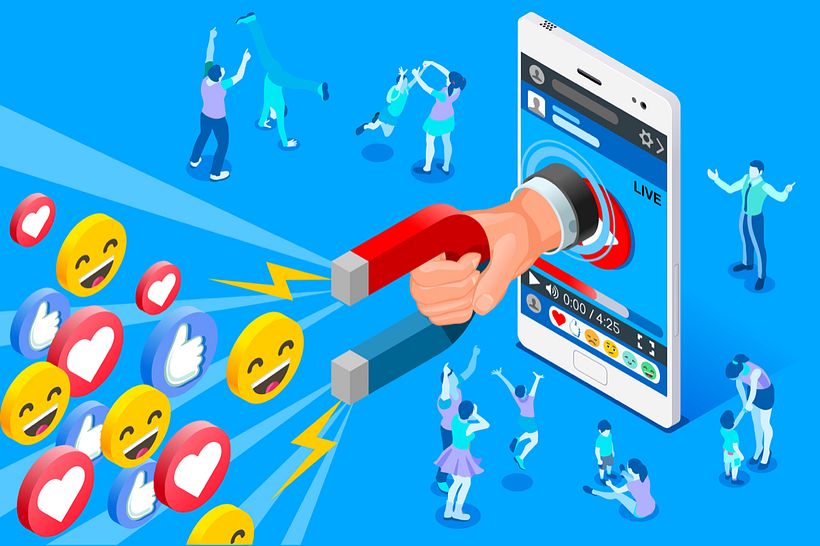
Viral tech content spreads because it triggers emotion, identity, and curiosity at the same time. People do not share tech posts just because they are informative; they share them when the content makes them feel smart, entertained, surprised, or included.
Why Tech Goes Viral
Tech content has a built-in advantage because it often promises novelty. New devices, AI tools, app updates, and digital hacks all create a sense that the viewer is seeing something fresh, useful, or ahead of the curve. That novelty helps content stand out in crowded feeds where attention is scarce.
But novelty alone is not enough. Research on viral content repeatedly shows that high-arousal emotions such as awe, amusement, anger, and fear are strongly linked to sharing behavior. In tech, those emotions often appear when a product feels revolutionary, controversial, or unexpectedly useful.
Emotion Drives Sharing
Emotion is the first psychological engine behind virality. Content that creates a strong reaction gives people a reason to pause, react, and pass it on, especially when the feeling is intense rather than mild. A calm product demo may be helpful, but a dramatic “I can’t believe this AI tool does this” video is more likely to spread.
In tech, the most shareable emotional triggers are usually surprise, excitement, and awe. A breakthrough gadget, a time-saving app, or a clever software trick can create the kind of emotional spike that makes people forward the post to friends or coworkers. Even outrage can drive virality when a tech issue feels unfair, expensive, or misleading.
Social Currency Matters
People share content that makes them look informed, helpful, or early to a trend. This is often called social currency, and it is especially powerful in technology because many audiences want to appear knowledgeable about the newest tools, devices, and trends. Sharing a good tech post can signal that the person is smart, updated, and valuable to their network.
That is why listicles, shortcut tips, hidden features, and “things you did not know” formats work so well. They give viewers a small status boost because the content helps them feel like insiders. In practice, a post about a useful AI shortcut or a new productivity workflow often spreads faster than a generic product announcement.
Curiosity and the Open Loop
Virality also depends on curiosity. People are drawn to content that creates a knowledge gap, meaning they know enough to want more but not enough to feel satisfied. Tech content is naturally suited to this because it often introduces new tools, unexpected features, or problem-solving tricks.
Strong hooks work because they open a mental loop. Headlines like “This AI feature changed how I work” or “Most people miss this hidden iPhone setting” make viewers want the payoff. Once curiosity is activated, the audience keeps watching or reading in order to close the gap.
Relatability and Identity
People also share tech content when it reflects who they are. A developer, designer, gamer, marketer, or startup founder is more likely to share content that feels tailored to their world. When content matches identity, it becomes more than information; it becomes a signal of belonging.
This is why niche tech memes, workflow screenshots, and creator-specific tips perform well. They tell the viewer, “This was made for you.” That feeling increases engagement because the audience sees themselves in the content and wants others in their circle to see it too.
Simplicity Wins
Viral content is often easy to understand quickly. The brain prefers cognitive fluency, which means content that is simple to process feels more trustworthy and shareable. In tech, that matters because even complex ideas spread better when they are packaged in clean visuals, short explanations, and clear takeaways.
Creators often make the mistake of trying to impress with complexity. But the most shareable tech posts usually reduce one big idea into a simple lesson, demo, or comparison. If a viewer understands the point in seconds, they are more likely to share it without hesitation.
Timing and Context
Timing is a major part of virality. Tech content spreads faster when it connects to a product launch, industry trend, breaking news story, or seasonal moment. People are already paying attention to the topic, so the content benefits from existing momentum.
Platform timing also matters. Short-form video platforms reward quick emotional payoff, while YouTube often rewards narrative structure and deeper explanation. A tech creator who understands the platform’s rhythm can shape the same idea differently for TikTok, LinkedIn, YouTube, or X.
Why Algorithms Amplify It
Algorithms do not create virality on their own, but they reward the psychology that already makes content spread. When viewers pause, comment, save, or share, the platform reads those behaviors as signals that the post deserves more reach. That means emotional, curious, and identity-driven content gets a second push from the system.
This creates a feedback loop. Strong psychology produces engagement, engagement triggers distribution, and distribution produces more engagement. In tech, where new products and AI topics already attract attention, this loop can be especially powerful.
Best Tech Formats
Different tech formats activate different psychological triggers. The table below shows why some forms of content spread more easily than others.
| Format | Psychological trigger | Why it spreads |
|---|---|---|
| Short explainer videos | Curiosity, simplicity | Fast payoff and easy sharing. |
| Product demos | Surprise, usefulness | Viewers want to show others a clever feature. |
| Hot takes | Anger, debate | Controversy drives comments and reposts. |
| Tutorials and hacks | Social currency | People share them to appear helpful. |
| Relatable memes | Identity, humor | Audiences share what reflects their experience. |
The best viral tech creators usually combine two or more of these triggers in one post. For example, a useful AI tip becomes stronger when it is also surprising and easy to understand.
Building Shareable Content
Creators who want more viral tech content should think like psychologists, not just marketers. They need to ask what emotion the post creates, what identity it reinforces, and what curiosity gap it opens. If the answer is weak in all three areas, the content will probably stay flat.
A strong formula is: one clear idea, one strong emotion, one practical takeaway. That could mean a short video showing a hidden software feature, a comparison that challenges a common belief, or a story about how a tool solved a real problem. The point is not to maximize noise; it is to maximize meaning and shareability.
Tech creators should also avoid making content feel too polished or generic. Audiences often respond better to authenticity, specific use cases, and honest reactions than to corporate-style messaging. That is because people share content that feels real, not content that feels manufactured.
The psychology behind viral tech content comes down to emotion, social value, curiosity, identity, and timing. Tech content goes viral when it makes people feel something, helps them look informed, and gives them a simple reason to share.
In 2026, the most successful tech creators are not just producing more content; they are designing content around human behavior. That is what turns a good post into a viral one.