
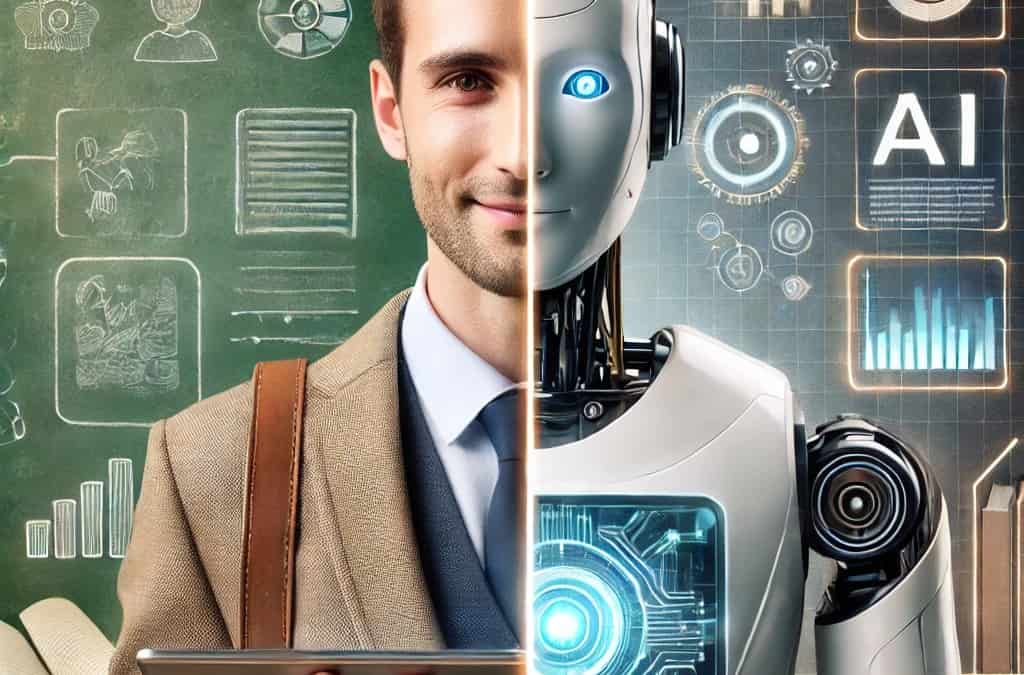
AI can partly replace human tech influencers, but it is unlikely to fully eliminate them anytime soon. The strongest future model is not replacement, but a hybrid ecosystem where AI handles scale, speed, and personalization while humans keep trust, judgment, and lived experience.
Introduction
Tech influencing has changed a lot in the last few years. Brands now expect more content, faster production, and measurable results, and AI is already being used across influencer workflows, from discovery and pricing to reporting and performance prediction. At the same time, audiences still value authenticity, and studies suggest that perceived trustworthiness and authenticity remain strongly tied to purchase intention for both virtual and human influencers.
That creates the central question: can AI really take over the role of human tech creators, reviewers, and explainers? The answer depends on what kind of influence we are talking about. For repetitive, highly structured, or scale-driven content, AI can be very effective; for credibility, community, and nuanced opinion, humans still have the edge.
What AI Does Well
AI is excellent at producing content at scale. It can generate product summaries, comparison posts, scripts, captions, thumbnails, and even synthetic presenter personas without fatigue, travel, or scheduling conflicts. For brands, that means faster turnaround and lower operational friction, especially when campaigns need many versions across different platforms.
AI also works well for hyper-personalization. Some analyses of AI influencer trends in 2025 describe systems that can adapt tone, messaging, and visuals to user preferences using analytics and language models. In practical terms, that means an AI tech influencer could tailor a message for beginners, developers, gamers, or enterprise buyers with very little extra cost.
Another advantage is consistency. Human creators have off days, changing opinions, and variable availability, while AI can publish around the clock with the same brand voice. For corporate channels, product launch support, or internal education, that reliability is valuable.
Where Humans Still Win
Human tech influencers still lead in one crucial area: trust. Research on influencer authenticity shows that authenticity consistently predicts purchase intention, and studies comparing AI and human influencers find that AI-generated content can reduce perceived authenticity and brand trust, especially when AI disclosure is explicit. In plain language, people may watch AI content, but they do not always believe it the same way they believe a real person with actual experience.
This matters a lot in tech, where product recommendations often depend on subtle judgment. A real reviewer can say a phone feels awkward in hand, a laptop fan is too loud, or a subscription tool is great on paper but annoying in daily use. Those kinds of details come from lived experience, not pattern prediction.
Human creators also build communities, not just audiences. Tech followers often return because they like a creator’s personality, values, and opinions, not only because they want information. AI can imitate tone, but it cannot fully replicate reputation, accountability, or the sense that a person is sharing what they genuinely believe.
Tech Content Types
The answer changes depending on the content format. Some tech-influencer jobs are easier to automate than others, and the table below shows where AI is strongest.
| Content type | AI potential | Why |
|---|---|---|
| Product summaries | High | AI can quickly rewrite specs and features into readable explanations . |
| SEO comparison articles | High | AI handles structure, keywords, and large-scale variations well . |
| Unboxing videos | Medium | AI can simulate visuals, but the excitement is often stronger when a real person reacts. |
| Hands-on reviews | Low to medium | Real-world testing and credibility still matter most . |
| Community commentary | Low | Audience trust depends on personality and accountability . |
| Brand mascots or virtual spokespeople | High | This is one of AI’s best use cases . |
For tech education content, AI can be a strong assistant but a weak replacement. It is useful for explaining software features, drafting tutorials, and comparing specs, yet users often want a human to translate what the product feels like in daily use. That is especially true when the decision is expensive, technical, or risky.
Audience Trust
Trust is the main barrier to full replacement. One recent study found that AI influencers significantly reduced perceived authenticity and brand trust compared with human influencers, and explicit disclosure made those reactions stronger for many viewers. Another study found that perceived authenticity predicted purchase intention for both virtual and human influencers, which means AI can work, but it must overcome a credibility gap first.
That gap is not just emotional; it is practical. Tech audiences want to know whether the reviewer actually used the device, whether the comparison was fair, and whether the creator stands behind the recommendation. A virtual persona can answer questions, but if users suspect the content is synthetic or overly scripted, persuasion weakens.
Interestingly, higher digital literacy seems to soften negative reactions to AI-generated influencer content. That suggests younger or more tech-savvy audiences may be more open to AI presenters, while broader consumer groups may still prefer humans for important decisions. In other words, the more informed the audience, the easier it may be for AI to compete.
Business Reality
From a business perspective, AI is already changing the economics of influence. Brands are using AI in influencer workflows, and many are prioritizing micro and mid-tier creators because they often deliver better engagement-to-cost ratios. That means the industry is not simply moving toward AI; it is moving toward efficiency, measurable ROI, and smarter production.
This matters because AI does not need to replace every human creator to have a huge impact. Even if AI only handles 20% to 40% of content tasks, that can still cut costs and increase output dramatically. Human influencers may then focus on high-trust content such as product testing, live streams, interviews, and opinion-driven analysis while AI supports repurposing and distribution.
There is also a brand-safety angle. AI can help maintain message control, but it can also create ethical risks if audiences feel manipulated or misled. That is why disclosures, transparency, and clear labeling are likely to remain important as the category grows.
Likely Future
The most likely future is not a world with only AI tech influencers. It is a mixed system where AI-generated presenters, human creators, and hybrid creator brands all coexist. Some creators may use AI avatars, voice cloning, or automated editing to multiply their output, while others stay fully human and lean into authenticity as their unique value.
For brands, AI will probably become the default behind-the-scenes tool. It can help identify topics, draft scripts, test titles, localize content, and predict campaign outcomes. For audiences, however, the people they trust most will still be the ones who seem honest, specific, and accountable when reviewing actual products.
So, can AI replace human tech influencers? In some narrow cases, yes. In the broader sense of trust, authority, and community, no. The strongest creators of the next few years will likely be those who combine human credibility with AI efficiency.
Conclusion
AI will change tech influencing more than it will erase it. It can automate repetitive work, scale content production, and even create convincing virtual personalities, but it still struggles to match the credibility and emotional connection of a real expert. The future of tech influence is likely to be less about replacement and more about collaboration between human insight and machine efficiency.